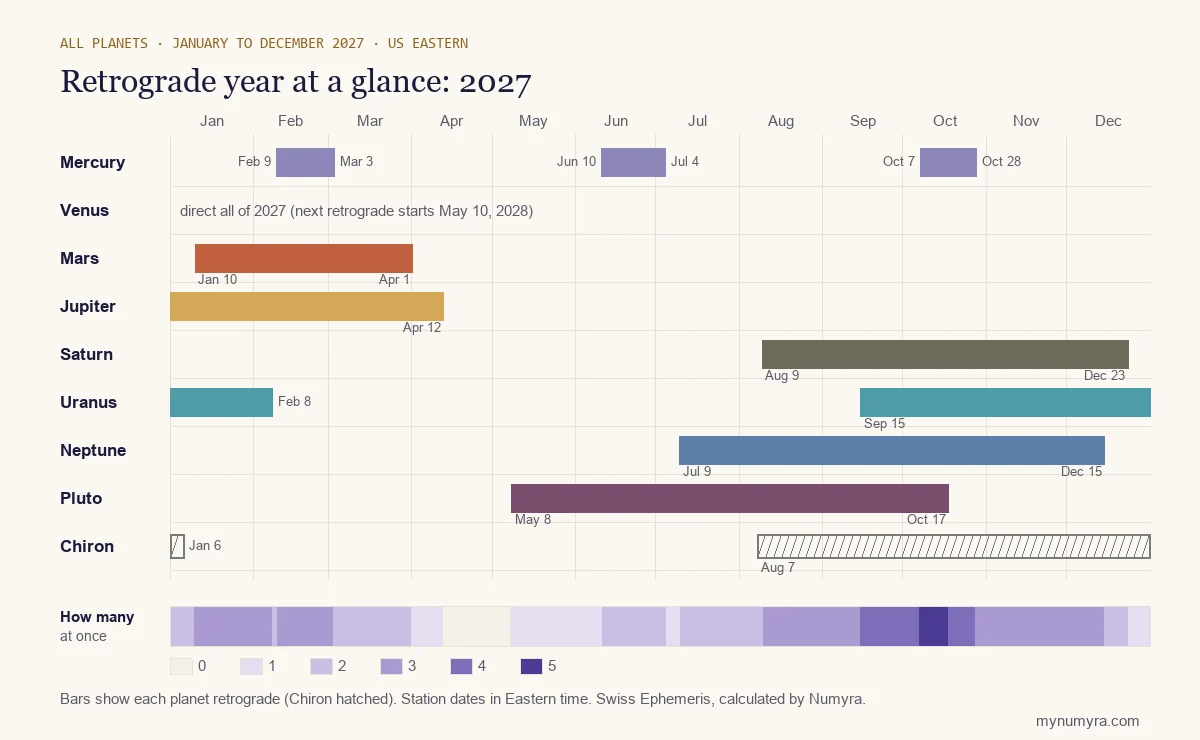
Seven of the eight planets turn retrograde at some point in 2027, in 17 stations: Mercury three times, Mars once, and Pluto, Neptune, Saturn and Uranus once each, while Jupiter starts the year already retrograde and Venus never reverses. The first station is Mars on January 10 at 7:59 a.m. EST; the last is Saturn turning direct on December 23 at 9:47 p.m. EST. The busiest stretch is October 7 to 17, when five planets are retrograde together, and the quietest is April 13 to May 7, when none is. Every time below is in US Eastern and Pacific, in the Western tropical zodiac.
Key takeaways
- 2027 has 17 planetary stations (8 turns retrograde, 9 turns direct), plus two for the asteroid Chiron. Venus has no retrograde in 2027: its last ended on November 13, 2026 and the next begins May 10, 2028.
- Mercury’s three retrogrades run February 9 to March 3, June 10 to July 4 and October 7 to October 28, about 67 days in all.
- On an average day in 2027, 2.3 planets are retrograde. There are 25 days with none, 134 days with exactly three, and 43 days with four or more, from September 15 to October 27.
- Counted in planet-days, 2027 has the most retrograde time of 2026, 2027 and 2028: 853 days, against 801 and 832. Nearly all of the change comes from Mars and Venus.
- Every 2027 station was recomputed against NASA JPL Horizons: all agree within 3.2 minutes except Pluto, whose station time is uncertain by about an hour because it barely moves.
In this guide
- Every retrograde station in 2027
- How long each retrograde lasts, and where it goes
- How many planets are retrograde at once
- Month by month
- Planet by planet
- 2027 against 2026 and 2028
- What retrograde means: the astronomy and the tradition
- How the dates were checked
- Frequently asked questions
Every retrograde station in 2027
A station is the instant a planet appears to stop against the stars before reversing. A planet stationing retrograde starts to look as if it is moving backward, and stationing direct ends that. The table lists all 19 in 2027, in order, with the Eastern and Pacific clock times, the daylight saving time that applies on that date, and the position in the zodiac. Positions are rounded to the nearest arcminute (an arcminute is a sixtieth of a degree).
| Date (ET) | Event | US Eastern | US Pacific | Position |
|---|---|---|---|---|
| Jan 6 | Chiron (asteroid) stations direct | 6:01 a.m. EST | 3:01 a.m. PST | 26°16′ Aries |
| Jan 10 | Mars stations retrograde | 7:59 a.m. EST | 4:59 a.m. PST | 10°26′ Virgo |
| Feb 8 | Uranus stations direct | 7:29 a.m. EST | 4:29 a.m. PST | 1°41′ Gemini |
| Feb 9 | Mercury stations retrograde | 12:36 p.m. EST | 9:36 a.m. PST | 5°59′ Pisces |
| Mar 3 | Mercury stations direct | 7:32 a.m. EST | 4:32 a.m. PST | 20°55′ Aquarius |
| Apr 1 | Mars stations direct | 10:08 a.m. EDT | 7:08 a.m. PDT | 20°56′ Leo |
| Apr 12 | Jupiter stations direct | 10:11 p.m. EDT | 7:11 p.m. PDT | 17°00′ Leo |
| May 8 | Pluto stations retrograde | 8:54 a.m. EDT | 5:54 a.m. PDT | 7°11′ Aquarius |
| Jun 10 | Mercury stations retrograde | 2:15 p.m. EDT | 11:15 a.m. PDT | 6°22′ Cancer |
| Jul 4 | Mercury stations direct | 3:39 p.m. EDT | 12:39 p.m. PDT | 27°28′ Gemini |
| Jul 9 | Neptune stations retrograde | 6:41 p.m. EDT | 3:41 p.m. PDT | 6°40′ Aries |
| Aug 7 | Chiron (asteroid) stations retrograde | 10:55 p.m. EDT | 7:55 p.m. PDT | 4°40′ Taurus |
| Aug 9 | Saturn stations retrograde | 2:06 p.m. EDT | 11:06 a.m. PDT | 27°53′ Aries |
| Sep 15 | Uranus stations retrograde | 5:10 a.m. EDT | 2:10 a.m. PDT | 9°57′ Gemini |
| Oct 7 | Mercury stations retrograde | 10:37 a.m. EDT | 7:37 a.m. PDT | 4°56′ Scorpio |
| Oct 17 | Pluto stations direct | 11:52 p.m. EDT | 8:52 p.m. PDT | 4°45′ Aquarius |
| Oct 28 | Mercury stations direct | 10:11 a.m. EDT | 7:11 a.m. PDT | 19°19′ Libra |
| Dec 15 | Neptune stations direct | 4:06 a.m. EST | 1:06 a.m. PST | 3°51′ Aries |
| Dec 23 | Saturn stations direct | 9:47 p.m. EST | 6:47 p.m. PST | 21°01′ Aries |
Chiron is an asteroid-comet in the outer solar system, not one of the eight planets, so it is listed but kept out of every count on this page. Because the stations happen at one instant, a late-evening Eastern time is already the next day in UT: Pluto’s turn direct falls at 11:52 p.m. EDT on October 17, which is October 18 in UT, and calendars that print UT dates show it a day later. The Pacific column carries its own date only when it differs from the Eastern one.
How long each retrograde lasts, and where it goes
Each retrograde carries a planet back along the zodiac, from the degree where it stations retrograde to the lower degree where it stations direct. The table gives the whole retrograde, including the parts that fall in 2026 and 2028, and then the number of days that fall inside calendar 2027 (in Eastern time).
| Planet | Retrograde (ET dates) | From and back to | Length, days | Days in 2027 |
|---|---|---|---|---|
| Uranus | Sep 10, 2026 to Feb 8 | 5°42′ Gemini to 1°41′ Gemini | 150.8 | 38.3 |
| Jupiter | Dec 12, 2026 to Apr 12 | 27°01′ Leo to 17°00′ Leo | 121.1 | 101.9 |
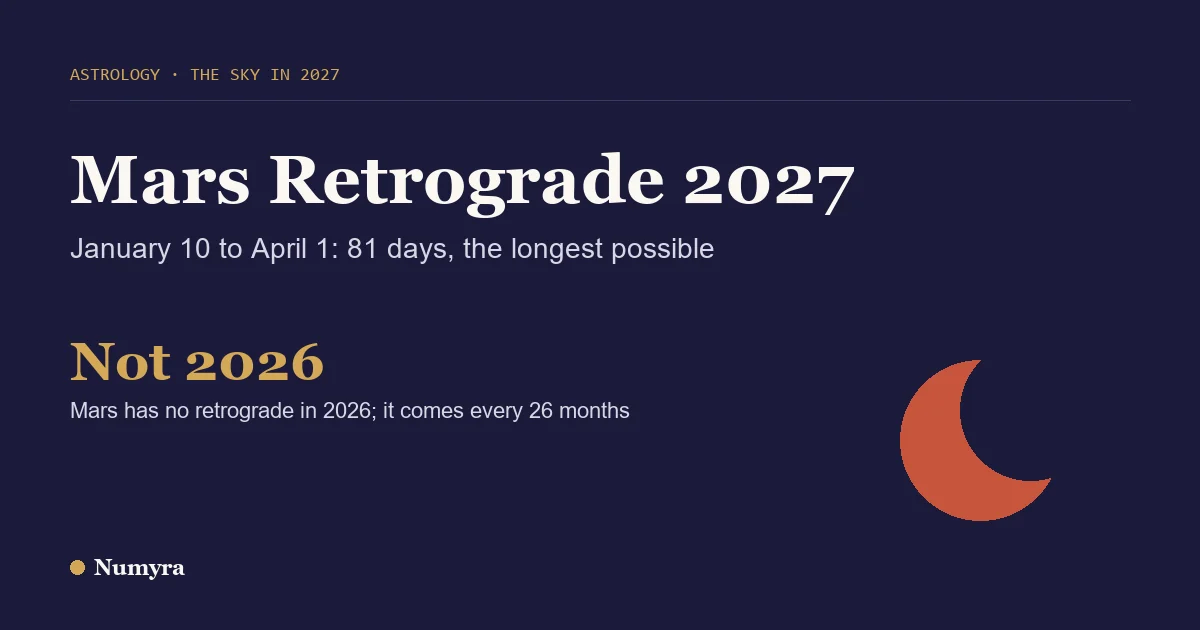
| Mars | Jan 10 to Apr 1 | 10°26′ Virgo to 20°56′ Leo | 81.0 | 81.0 |
| Mercury | Feb 9 to Mar 3 | 5°59′ Pisces to 20°55′ Aquarius | 21.8 | 21.8 |
| Pluto | May 8 to Oct 17 | 7°11′ Aquarius to 4°45′ Aquarius | 162.6 | 162.6 |
| Mercury | Jun 10 to Jul 4 | 6°22′ Cancer to 27°28′ Gemini | 24.1 | 24.1 |
| Neptune | Jul 9 to Dec 15 | 6°40′ Aries to 3°51′ Aries | 158.4 | 158.4 |
| Saturn | Aug 9 to Dec 23 | 27°53′ Aries to 21°01′ Aries | 136.4 | 136.4 |
| Uranus | Sep 15 to Feb 12, 2028 | 9°57′ Gemini to 5°56′ Gemini | 150.6 | 107.8 |
| Mercury | Oct 7 to Oct 28 | 4°56′ Scorpio to 19°19′ Libra | 21.0 | 21.0 |
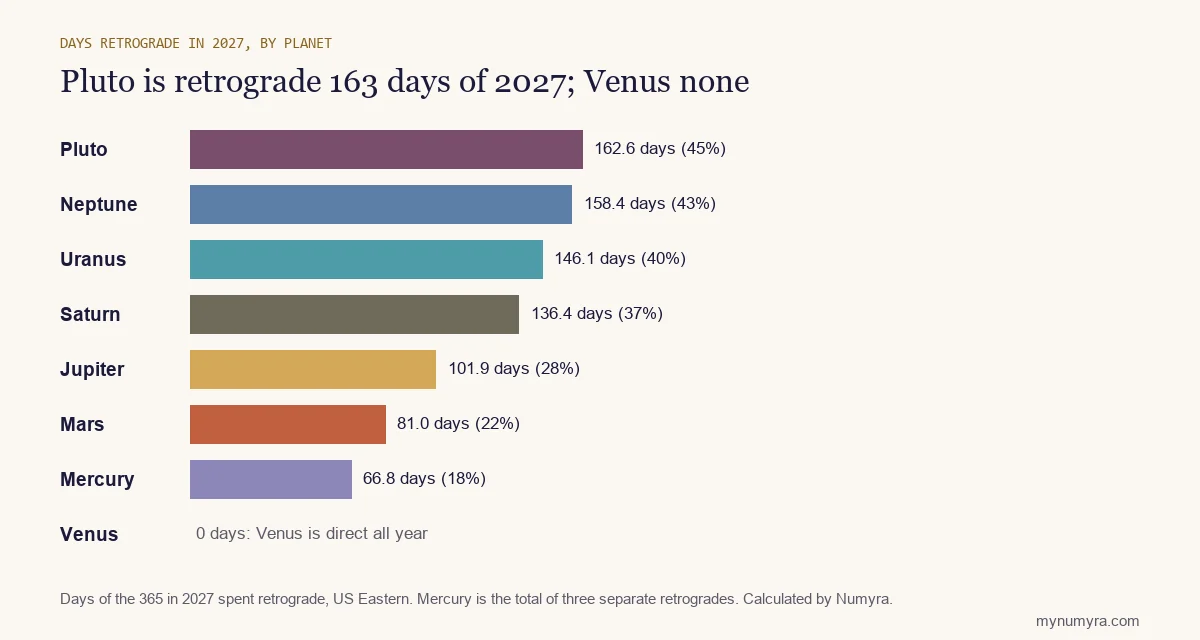
The two Uranus rows are one planet turning twice in a calendar year, which is why Uranus is retrograde for 146 days of 2027 across two stretches. The slowest planets spend the longest backing up: Pluto 162.6 days, Neptune 158.4, Uranus about 150, Saturn 136.4, Jupiter 121. Mars, at 81.0 days, is the longest Mars retrograde possible, as our Mars retrograde 2027 guide explains. Mercury is the opposite extreme, with three retrogrades of 21.8, 24.1 and 21.0 days.
How many planets are retrograde at once
Most calendars list each planet separately. We also counted, for every day of 2027, how many of the eight planets were retrograde at noon US Eastern. The result changes 17 times in the year, giving 18 periods, shown below as periods in which the same set of planets is retrograde.
| Period (2027) | Days | Retrograde | Which planets |
|---|---|---|---|
| Jan 1 to Jan 9 | 9 | 2 | Jupiter, Uranus |
| Jan 10 to Feb 7 | 29 | 3 | Mars, Jupiter, Uranus |
| Feb 8 to Feb 9 | 2 | 2 | Mars, Jupiter |
| Feb 10 to Mar 2 | 21 | 3 | Mercury, Mars, Jupiter |
| Mar 3 to Mar 31 | 29 | 2 | Mars, Jupiter |
| Apr 1 to Apr 12 | 12 | 1 | Jupiter |
| Apr 13 to May 7 | 25 | 0 | none |
| May 8 to Jun 10 | 34 | 1 | Pluto |
| Jun 11 to Jul 4 | 24 | 2 | Mercury, Pluto |
| Jul 5 to Jul 9 | 5 | 1 | Pluto |
| Jul 10 to Aug 9 | 31 | 2 | Neptune, Pluto |
| Aug 10 to Sep 14 | 36 | 3 | Saturn, Neptune, Pluto |
| Sep 15 to Oct 6 | 22 | 4 | Saturn, Uranus, Neptune, Pluto |
| Oct 7 to Oct 17 | 11 | 5 | Mercury, Saturn, Uranus, Neptune, Pluto |
| Oct 18 to Oct 27 | 10 | 4 | Mercury, Saturn, Uranus, Neptune |
| Oct 28 to Dec 14 | 48 | 3 | Saturn, Uranus, Neptune |
| Dec 15 to Dec 23 | 9 | 2 | Saturn, Uranus |
| Dec 24 to Dec 31 | 8 | 1 | Uranus |
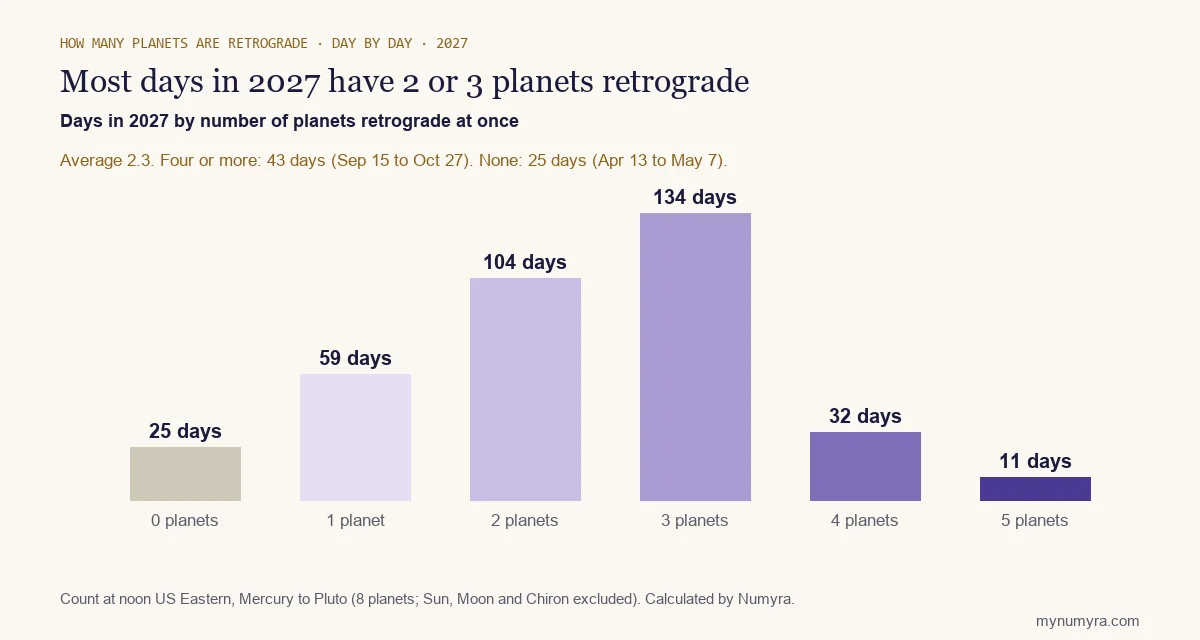
The year splits into three parts. January to early April has Jupiter, Mars and Uranus handing over to each other, with Mercury joining February 10 to March 2. From April 13 to May 7, with Jupiter and Mars direct and Pluto not yet turned, no planet from Mercury to Pluto is retrograde: 25 days, the only such gap. Then the outer planets take over. Pluto turns on May 8, Neptune on July 9, Saturn on August 9 and Uranus on September 15, and the count climbs to four on September 15. When Mercury joins on October 7 it reaches five, the year’s maximum, and it stays at five only until Pluto turns direct on October 17. The longest run with three or more planets retrograde is 127 days, August 10 to December 14.
Month by month
For a quick look at any month: the stations that fall in it (R means turns retrograde, D means turns direct, dates in Eastern time) and how many planets are already retrograde at noon on the 1st.

| Month | Stations | Retrograde on the 1st |
|---|---|---|
| January | Jan 6 Chiron D; Jan 10 Mars R | 2: Jupiter, Uranus |
| February | Feb 8 Uranus D; Feb 9 Mercury R | 3: Mars, Jupiter, Uranus |
| March | Mar 3 Mercury D | 3: Mercury, Mars, Jupiter |
| April | Apr 1 Mars D; Apr 12 Jupiter D | 1: Jupiter |
| May | May 8 Pluto R | 0: none |
| June | Jun 10 Mercury R | 1: Pluto |
| July | Jul 4 Mercury D; Jul 9 Neptune R | 2: Mercury, Pluto |
| August | Aug 7 Chiron R; Aug 9 Saturn R | 2: Neptune, Pluto |
| September | Sep 15 Uranus R | 3: Saturn, Neptune, Pluto |
| October | Oct 7 Mercury R; Oct 17 Pluto D; Oct 28 Mercury D | 4: Saturn, Uranus, Neptune, Pluto |
| November | no stations | 3: Saturn, Uranus, Neptune |
| December | Dec 15 Neptune D; Dec 23 Saturn D | 3: Saturn, Uranus, Neptune |
Planet by planet
Mercury: three retrogrades, each from water to air
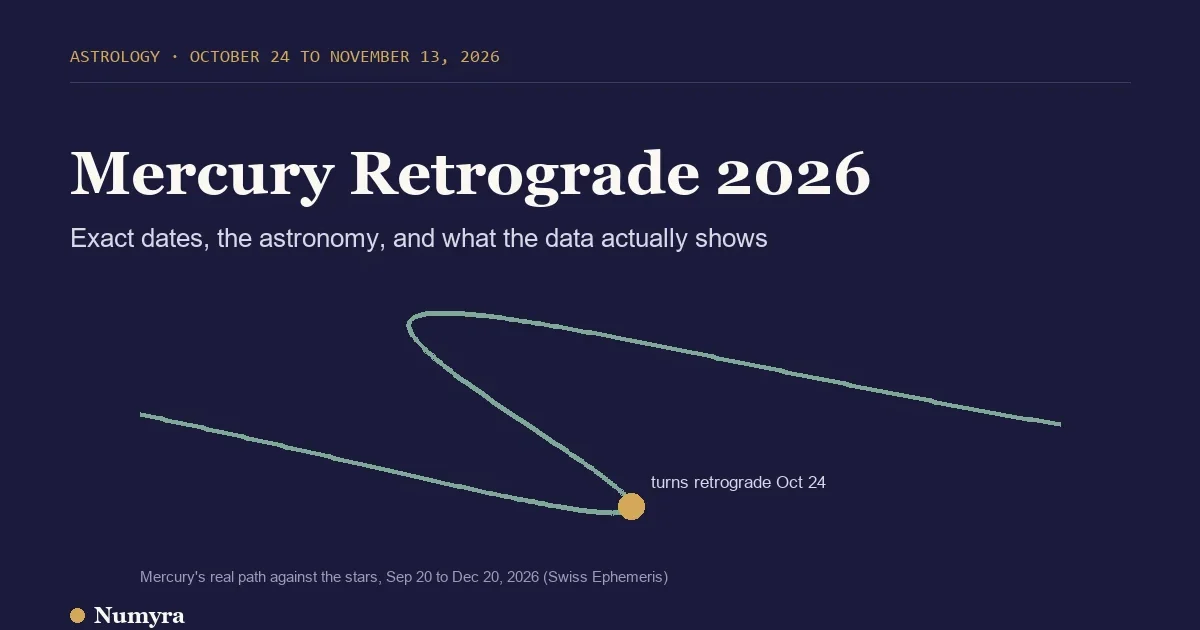
Mercury turns retrograde February 9 at 5°59′ Pisces and direct March 3 at 20°55′ Aquarius, retrograde June 10 at 6°22′ Cancer and direct July 4 at 27°28′ Gemini, then retrograde October 7 in Scorpio and direct October 28 in Libra. Each starts in a water sign and ends in the air sign behind it. The October retrograde is the crowded one, overlapping Saturn, Uranus and Neptune for its whole length and Pluto for its first ten days. Our Mercury retrograde guide has the shadow periods and what the data shows.
Venus: none in 2027
Venus is retrograde about once every 19 months. The last ran from October 3 to November 13, 2026 and the next begins on May 10, 2028, which leaves 2027 as the one year of the three on this page with no Venus retrograde. See Venus retrograde for the eight-year pattern.
Mars: January 10 to April 1
The only Mars retrograde in 2027 turns back from 10°26′ Virgo, re-enters Leo and ends at 20°56′ Leo. Mars is retrograde in 2027 and again in 2029, with no Mars retrograde in 2026 or 2028.
Jupiter: the end of a retrograde that began in 2026
Jupiter stationed retrograde on December 12, 2026 and turns direct April 12, 2027 at 10:11 p.m. EDT, at 17°00′ Leo. It is retrograde for the first 102 days of 2027 and next turns retrograde on January 12, 2028. See Jupiter in Leo.
Saturn: August 9 to December 23
Saturn backs from 27°53′ Aries to 21°01′ Aries over 136.4 days, the shortest of the three recent Saturn retrogrades. More in Saturn in Aries.
Uranus: the end of one retrograde and the start of the next
Uranus turns direct on February 8 at 1°41′ Gemini, closing a retrograde that began on September 10, 2026, and turns retrograde again on September 15 at 9°57′ Gemini. It is still retrograde on December 31 and stays so until February 12, 2028. The Uranus opposition guide follows its three passes.
Neptune and Pluto: the slowest loops
Neptune is retrograde from July 9 (6°40′ Aries) to December 15 (3°51′ Aries). Pluto is retrograde from May 8 (7°11′ Aquarius) to October 17 (4°45′ Aquarius), the single longest retrograde of the year at 162.6 days, which is 44.5% of 2027. Pluto’s reversal keeps it in Aquarius, so it never crosses back into Capricorn; our Pluto in Aquarius page covers its dates, and Uranus and Neptune signs covers the generations.
Chiron: two stations
Chiron turns direct on January 6 at 26°16′ Aries and retrograde on August 7 at 4°40′ Taurus, then stays retrograde until January 2028. See Chiron in astrology.
2027 against 2026 and 2028
We ran the same count for the neighboring years to see whether 2027 is unusual. It is slightly busier than either. Here is the number of days each year with 0 to 5 planets retrograde at once.
| Planets retrograde at once | 2026 (days) | 2027 (days) | 2028 (days) |
|---|---|---|---|
| 0 | 46 | 25 | 0 |
| 1 | 87 | 59 | 114 |
| 2 | 78 | 104 | 89 |
| 3 | 90 | 134 | 133 |
| 4 | 31 | 32 | 9 |
| 5 | 33 | 11 | 21 |
| Average | 2.20 | 2.33 | 2.27 |
And the number of days each planet is retrograde in each year, in US Eastern time.
| Planet | 2026 | 2027 | 2028 |
|---|---|---|---|
| Mercury | 67.1 | 66.8 | 66.7 |
| Venus | 41.7 | 0 | 43.0 |
| Mars | 0 | 81.0 | 0 |
| Jupiter | 88.1 | 101.9 | 122.5 |
| Saturn | 137.1 | 136.4 | 131.3 |
| Uranus | 146.3 | 146.1 | 147.0 |
| Neptune | 158.5 | 158.4 | 158.3 |
| Pluto | 162.5 | 162.6 | 162.8 |
| Chiron (asteroid, not in totals) | 151.8 | 151.3 | 151.6 |
| Total, eight planets | 801.3 | 853.2 | 831.6 |
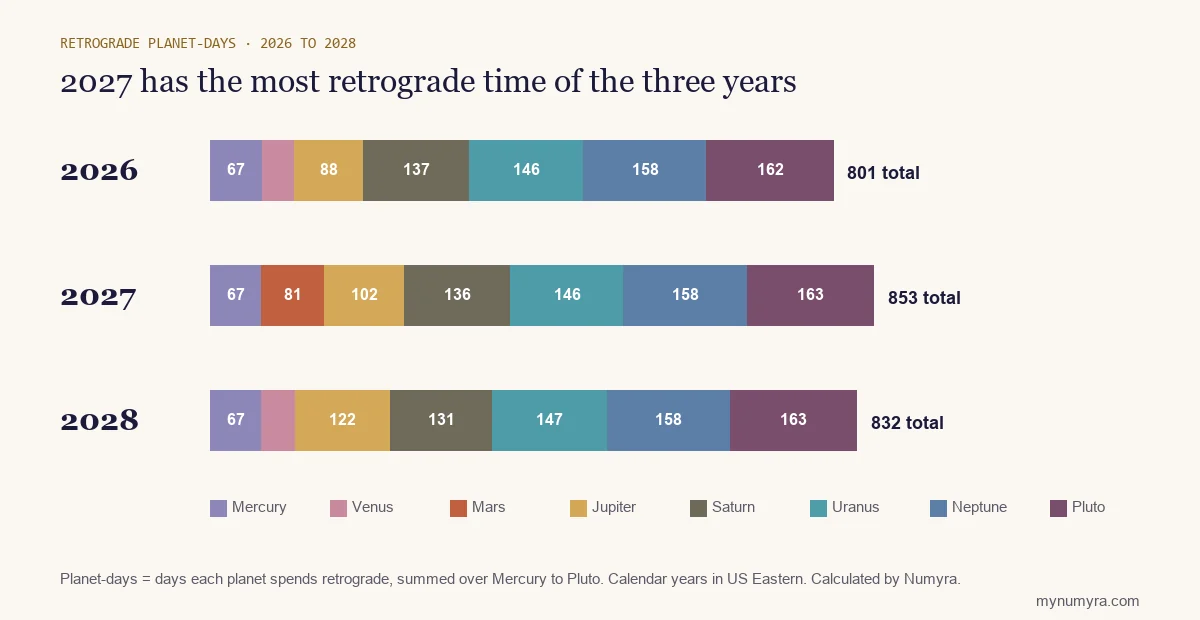
Saturn, Uranus, Neptune and Pluto together are retrograde 604, 604 and 599 days in the three years, so almost nothing changes among the outer four. The year-to-year swing is Mars (81 days in 2027, none in 2026 or 2028), Venus (42 days in 2026, none in 2027, 43 in 2028) and Jupiter (88, 102 and 123). 2028 has no day with zero planets retrograde and 2027 has 25. The 2027 eclipses and the 2027 Moon calendar cover the rest of the sky that year.
What retrograde means: the astronomy and the tradition
Astronomically, retrograde motion is an illusion of perspective. NASA’s Astronomy Picture of the Day, in an entry on Saturn and Neptune photographed over 34 nights, puts it like this:
“This apparent backwards motion occurs when Earth overtakes the slower outer planets as they orbit the Sun.”
Keighley Rockcliffe (NASA GSFC), text for Astronomy Picture of the Day, May 6, 2026; image by Tunç Tezel (TWAN)
That explains the outer planets, which turn retrograde about once a year as Earth passes them. Mercury and Venus, whose orbits lie inside Earth’s, go retrograde when they pass between Earth and the Sun, which is why Mercury does it three or four times a year and Venus only about every 19 months. The planets themselves never reverse.
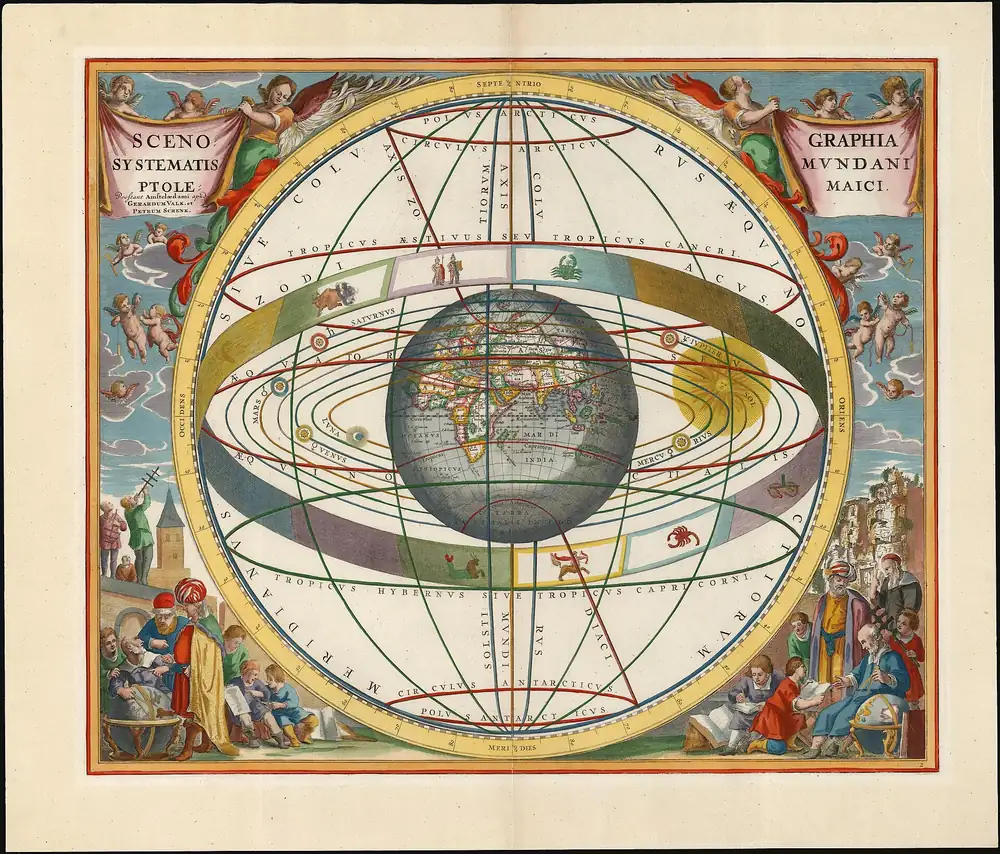
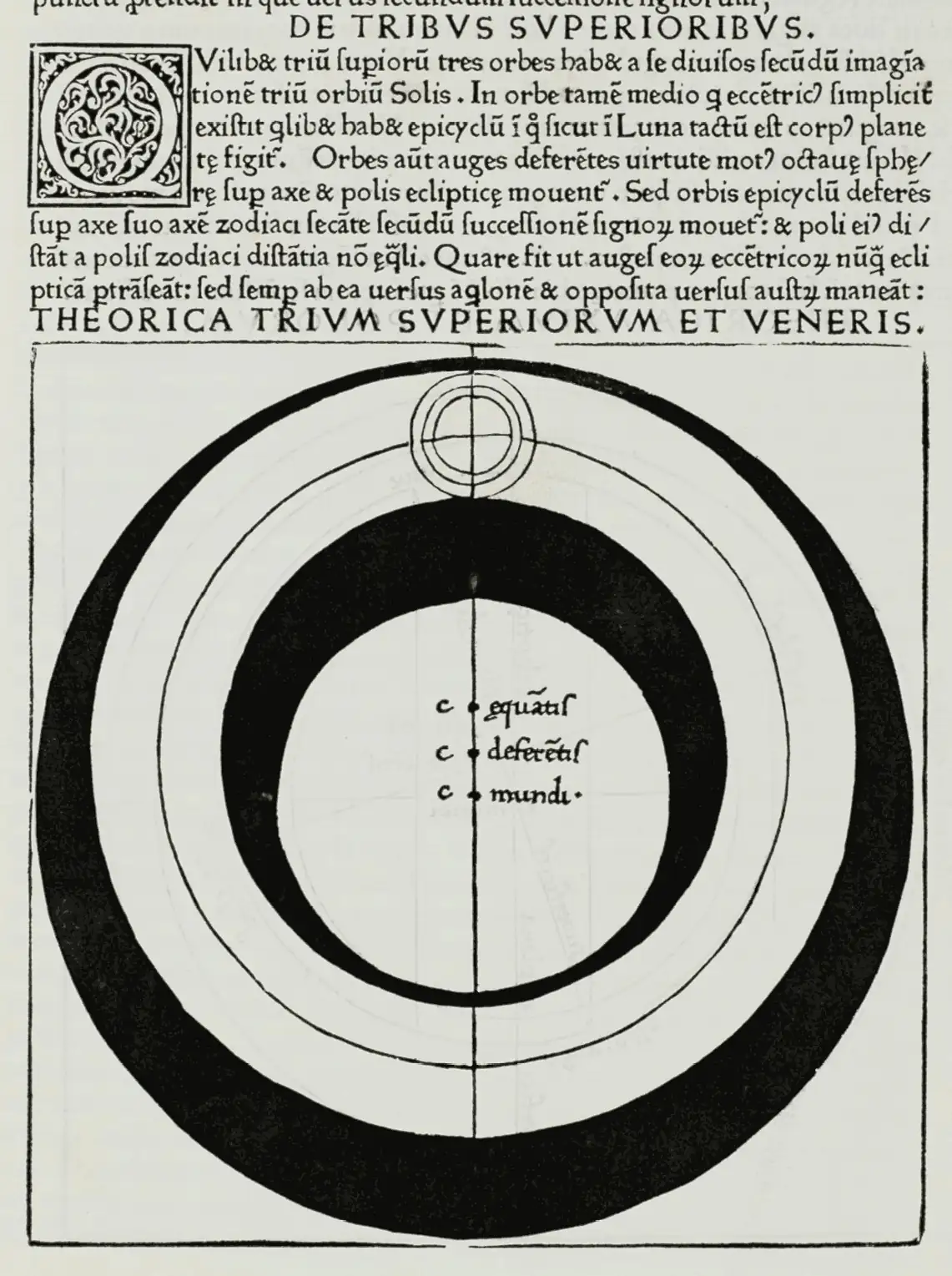
The traditional astrological reading is a separate matter. Astrologers have long treated a retrograde planet as weakened or turned inward, and today’s popular version tells people to review, repeat and revise during a retrograde instead of starting something new. The older texts are more practical than that. William Lilly’s Christian Astrology (1647), in its entry on Saturn, gives the planet’s retrograde as a fixed span, followed by the days it stands still on either side:
“He continueth Retrograde 140 dayes.”
William Lilly, Christian Astrology (London, 1647), “An Introduction to Astrologie,” p. 58 (Saturn), Internet Archive scan
Lilly’s 140 days is close to the 136.4 days of Saturn’s 2027 retrograde, a reminder that these cycles were measured long before computers. What a retrograde does to a person’s life is interpretation, not measurement: no study has shown that a station changes events, and the calendar above is there to tell you when the sky does what, not to predict what will happen. For how traditional astrology scores a planet’s strength, see our guide to essential dignities.
How the dates were checked
We computed every station with the Swiss Ephemeris in its built-in Moshier mode (Chiron from a Swiss Ephemeris asteroid file), found each turning point by bisection on the planet’s speed in longitude, and rounded to the nearest minute, converting to Eastern and Pacific time with the historical daylight saving rules. We then checked every 2027 station against NASA’s JPL Horizons system, an independent ephemeris: for each station we pulled the planet’s apparent geocentric ecliptic longitude at 3-hour steps from three days before to three days after, fitted a fourth-degree polynomial and located its turning point. In the table, the difference is Horizons minus ours.
| Date | Station | Ours (UT) | Horizons (UT) | Difference, minutes | Longitude gap, arcseconds |
|---|---|---|---|---|---|
| Jan 6 | Chiron (asteroid) direct | 11:01 | 11:01:05 | +0.1 | 0.1 |
| Jan 10 | Mars retrograde | 12:59 | 12:59:10 | +0.2 | 0.1 |
| Feb 8 | Uranus direct | 12:29 | 12:29:18 | +0.3 | 0.0 |
| Feb 9 | Mercury retrograde | 17:36 | 17:35:14 | -0.8 | 0.1 |
| Mar 3 | Mercury direct | 12:32 | 12:32:44 | +0.7 | 0.1 |
| Apr 1 | Mars direct | 14:08 | 14:08:17 | +0.3 | 0.0 |
| Apr 13 | Jupiter direct | 02:11 | 02:14:06 | +3.1 | 0.1 |
| May 8 | Pluto retrograde | 12:54 | 13:56:27 | +62.5 | 0.4 |
| Jun 10 | Mercury retrograde | 18:15 | 18:14:57 | -0.0 | 0.1 |
| Jul 4 | Mercury direct | 19:39 | 19:39:38 | +0.6 | 0.1 |
| Jul 9 | Neptune retrograde | 22:41 | 22:43:36 | +2.6 | 0.4 |
| Aug 8 | Chiron (asteroid) retrograde | 02:55 | 02:55:01 | +0.0 | 0.1 |
| Aug 9 | Saturn retrograde | 18:06 | 18:09:14 | +3.2 | 0.1 |
| Sep 15 | Uranus retrograde | 09:10 | 09:09:27 | -0.5 | 0.1 |
| Oct 7 | Mercury retrograde | 14:37 | 14:36:09 | -0.8 | 0.1 |
| Oct 18 | Pluto direct | 03:52 | 04:47:04 | +55.1 | 0.4 |
| Oct 28 | Mercury direct | 14:11 | 14:12:05 | +1.1 | 0.1 |
| Dec 15 | Neptune direct | 09:06 | 09:07:28 | +1.5 | 0.3 |
| Dec 24 | Saturn direct | 02:47 | 02:48:15 | +1.3 | 0.1 |
Every station except Pluto’s agrees within 3.2 minutes, which is the size of the difference between two ephemerides, and the longitudes agree within 0.4 arcseconds. Pluto’s two 2027 stations differ by about an hour (62 and 55 minutes) even though its position at the station agrees to 0.4 arcseconds: Pluto moves so slowly near a station that a tiny position difference moves the time by an hour. Treat Pluto’s station times as accurate to about an hour, and the dates as reliable.
We also compared our table against the 2027 station list on Cafe Astrology’s 2027 planetary overview, which prints Eastern-time stations (its data sources are Solar Fire and Sirius). Of the 19 stations in our table, 16 match to the minute and three (Chiron’s January 6, Uranus on September 15 and Mercury on October 28) differ by one minute. A few arcminute figures differ by 1′ between sources, which is rounding. A second calendar we read, on Zodiac Astrology Horoscopes, gives dates only and lists several about a day or two later than ours (for example Mars from January 12 to April 3), with no time zone stated, so its dates should not be compared with the Eastern-time table above without allowing for that.
Frequently asked questions
Which planets are retrograde in 2027?
Seven of the eight: Mercury (three times), Mars, Jupiter (until April 12), Saturn, Uranus, Neptune and Pluto. Venus is not retrograde at any point in 2027.
When is Mercury retrograde in 2027?
February 9 to March 3 (Pisces to Aquarius), June 10 to July 4 (Cancer to Gemini) and October 7 to October 28 (Scorpio to Libra). Eastern times: retrograde at 12:36 p.m. EST and direct at 7:32 a.m. EST; retrograde at 2:15 p.m. EDT and direct at 3:39 p.m. EDT; retrograde at 10:37 a.m. EDT and direct at 10:11 a.m. EDT.
Is Venus retrograde in 2027?
No. Venus ended its last retrograde on November 13, 2026 and turns retrograde next on May 10, 2028.
When is Mars retrograde in 2027?
From January 10 (7:59 a.m. EST, 10°26′ Virgo) to April 1 (10:08 a.m. EDT, 20°56′ Leo), 81 days.
How many planets are retrograde at once in 2027?
Between zero and five, averaging 2.3. The peak of five (Mercury, Saturn, Uranus, Neptune and Pluto) is October 7 to October 17. For 25 days, April 13 to May 7, none of the eight planets is retrograde.
Which planet is retrograde the longest in 2027?
Pluto, with 162.6 days (May 8 to October 17), about 45% of the year. Neptune follows with 158.4 days and Uranus with 146 days in 2027.
Is 2027 a heavy retrograde year?
Slightly heavier than its neighbors: 853 planet-days of retrograde from Mercury to Pluto, against 801 in 2026 and 832 in 2028. The outer planets barely change; the difference is Mars, which is retrograde in 2027 and not in 2026 or 2028.
Do planets really move backward?
No. Retrograde motion is apparent motion seen from Earth as it passes, or is passed by, another planet. The planet keeps moving forward in its orbit.
Why do other sites list slightly different dates?
Mostly time zones: a station late in the evening in the Americas is the next day in UT, and Asian and European sites show that date. Small differences in degrees come from rounding. Sidereal (Vedic) calendars use a different zodiac for signs but the station dates are the same instants.
Sources
- Astrodienst. Swiss Ephemeris. Every station, position and retrograde length on this page (calculations by the Numyra Methodology Desk).
- NASA JPL. Horizons System. Independent check of every 2027 station (API documentation).
- NASA. Astronomy Picture of the Day, May 6, 2026: The Retrograde Dance of Saturn and Neptune.
- Lilly, William. Christian Astrology (1647). Internet Archive scan.
- Cafe Astrology. 2027 Planetary Overview, used to cross-check the Eastern-time station list.