Mercury retrograde is real — Mercury genuinely appears to move backward across the sky, several times a year. What’s cultural belief is what that’s supposed to mean for you. Here’s both halves, kept honestly separate.
Key takeaways
- Mercury retrograde is a real, observable optical illusion, not a real change in Mercury’s actual direction of travel — it happens because Mercury orbits the Sun faster than Earth does.
- It happens 3-4 times a year, each period lasting about three weeks, because of how often Mercury’s faster orbit laps Earth’s.
- The “communication and technology chaos” reputation is a cultural/astrological tradition, not a documented physical effect — we say so plainly rather than imply otherwise.
- 2026’s three retrograde periods: February 26 – March 20, June 29 – July 23, and October 24 – November 13 (Eastern Time; check closer to the date for your zone).
- Nothing here is a claim that this framework predicts real-world outcomes — a cultural tradition, presented for reflection and entertainment.
In this guide
- The real astronomy: why Mercury appears to move backward
- Why it happens 3-4 times a year, not just once
- Mercury retrograde dates for 2026
- The traditional astrological reading
- Why Mercury specifically: the messenger god connection
- Every planet goes retrograde — Mercury just does it most often
- “Shadow periods”: the weeks on either side
- Frequently asked questions
The real astronomy: why Mercury appears to move backward
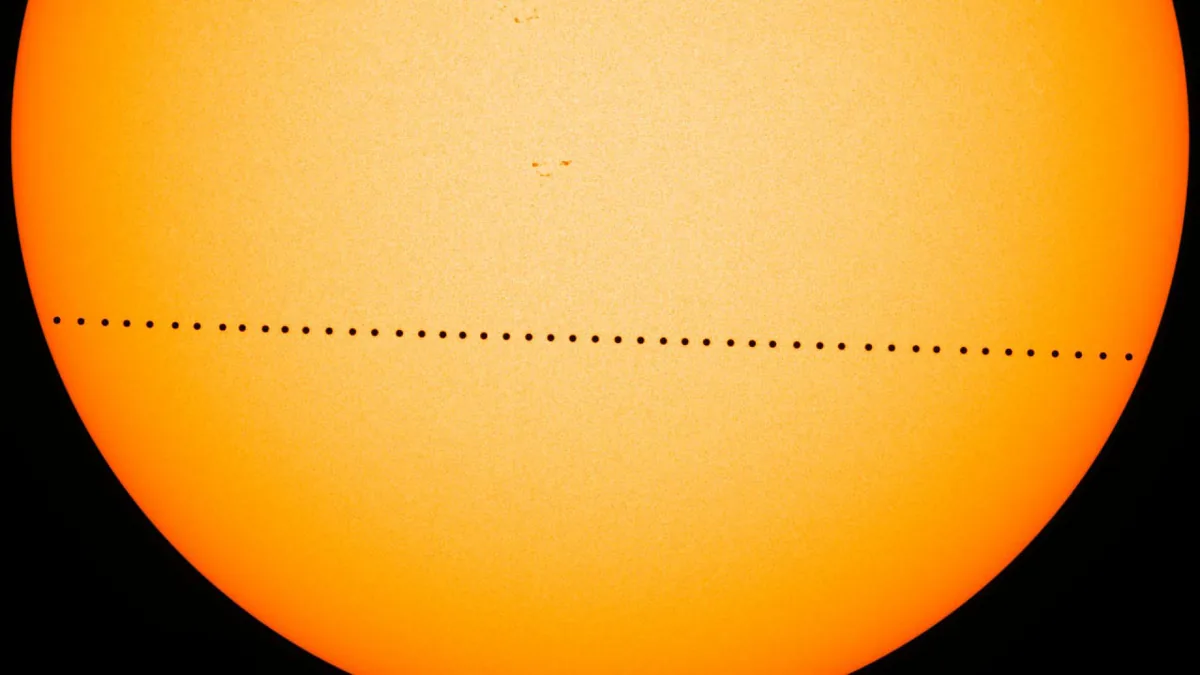
Mercury never actually reverses direction in its orbit — it always travels the same way around the Sun. What changes is the view from Earth. Mercury is closer to the Sun than Earth and completes its orbit much faster (about 88 days, versus Earth’s 365). Because both planets orbit at different speeds, Mercury periodically catches up to and passes Earth on the “inside track.” During that pass, the angle at which we see Mercury against the background stars briefly appears to reverse, the same optical effect you’d see watching a faster car overtake you on a parallel road — for a few moments, the slower car (in this case, the background stars, standing in for Earth’s own motion) looks like it’s moving backward relative to you. This is called apparent retrograde motion, and it’s a well-understood, entirely predictable feature of orbital mechanics, not a real change in Mercury’s own path.
Why it happens 3-4 times a year, not just once
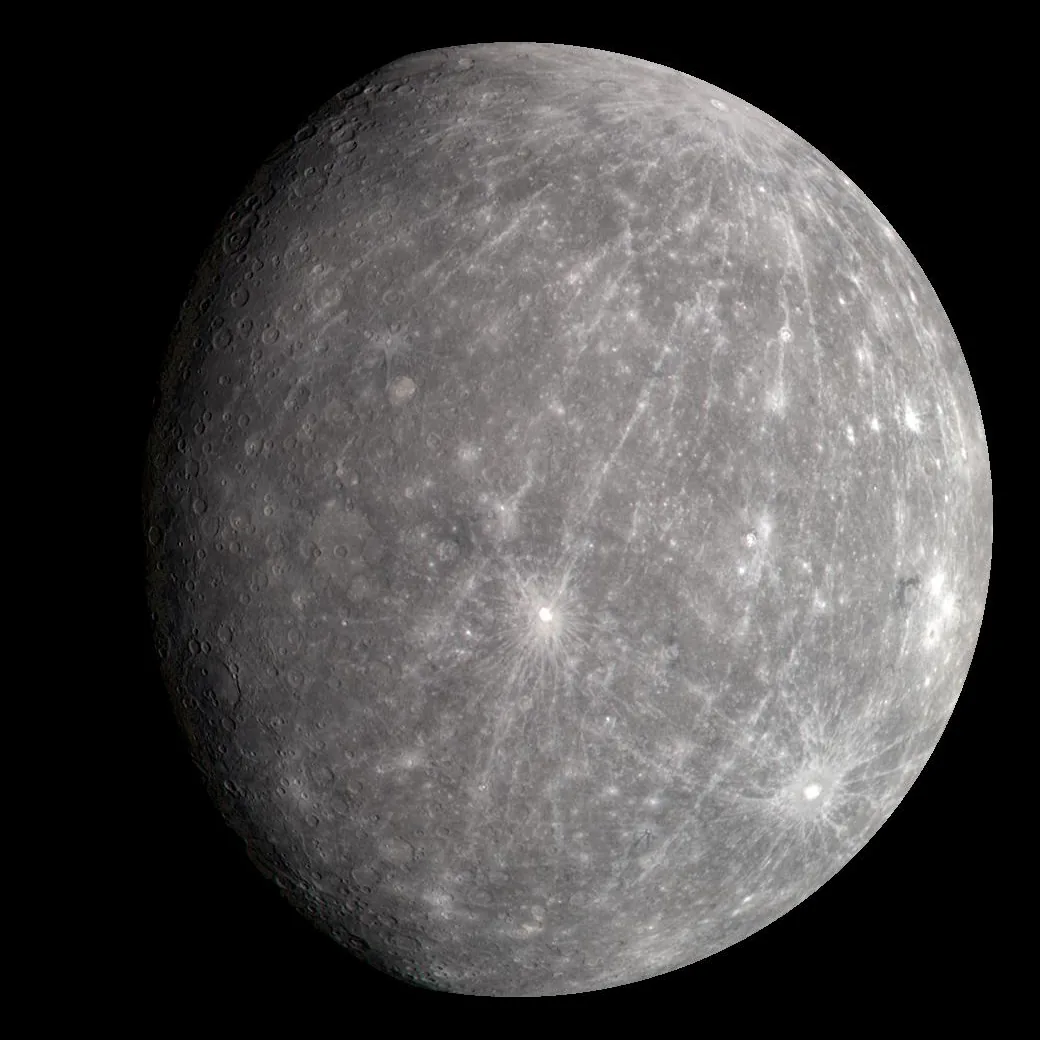
Because Mercury’s 88-day orbit is so much faster than Earth’s, Mercury laps Earth roughly every 116 days on average — and each lap produces one retrograde period. That works out to three full retrograde periods most years, occasionally a partial fourth if the timing falls near year-end or year-start. Each retrograde period itself typically lasts about three weeks, the time it takes for the apparent backward drift to finish and Mercury to resume its normal forward motion against the stars.
Mercury retrograde dates for 2026
| Retrograde period | 2026 dates (Eastern Time) |
|---|---|
| First | February 26 – March 20 |
| Second | June 29 – July 23 |
| Third | October 24 – November 13 |
Dates are Eastern Time and can shift by a day depending on your time zone, since the exact moment Mercury’s apparent motion reverses doesn’t land at midnight. These are widely reported dates; if you’re reading this well after 2026, search “Mercury retrograde [current year] dates” for the current schedule rather than relying on this table.
The traditional astrological reading
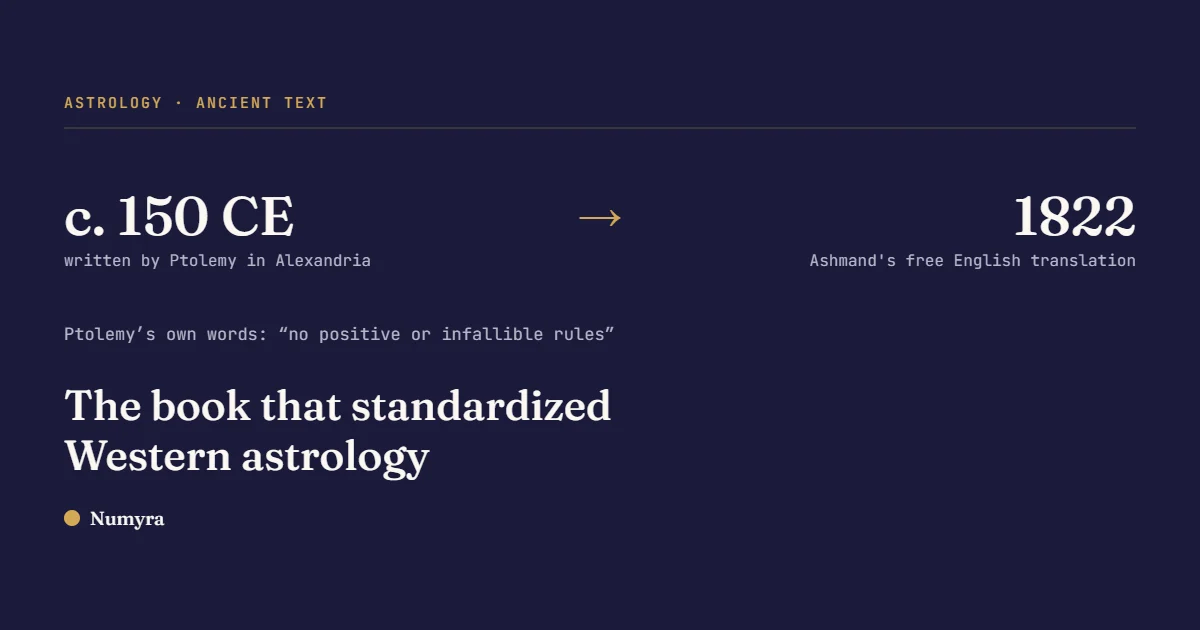
In astrology, Mercury is traditionally associated with communication, thinking, short travel, and technology — the planet’s name shares its root with “mercurial” and the messenger god Mercury/Hermes. This isn’t a modern gloss: Ptolemy’s 2nd-century Tetrabiblos, the text that standardized Western astrology (covered in our Tetrabiblos article), assigns Mercury rulership over exactly this domain directly:
“Mercury, the speech, the understanding…”
— Ptolemy, Tetrabiblos, Book III, Chapter XVII (trans. J.M. Ashmand, 1822)
The cultural belief around Mercury retrograde is that these areas of life become more prone to mix-ups during the retrograde window: crossed wires in conversation, delayed travel, tech glitches, contracts worth re-reading before signing. This is a genuine, long-standing astrological tradition — not something invented for social media — but it’s exactly that: a tradition and a reflection prompt, not a documented physical effect of Mercury’s position on human technology or communication. Nothing about Mercury’s actual distance or motion has a known mechanism for affecting Wi-Fi routers or group chats; the read is symbolic, tied to what the planet has long represented in this system, not a claim of physical causation.
A traditional, less doom-laden framing some astrologers use: retrograde periods are read as a good window for anything with the prefix “re-” — reviewing, revising, reconnecting, rescheduling — rather than starting something entirely new. Whether or not that framing changes anything for you, it’s at least a more actionable way to hold the tradition than treating three weeks, several times a year, as something to simply endure.
Why Mercury specifically: the messenger god connection
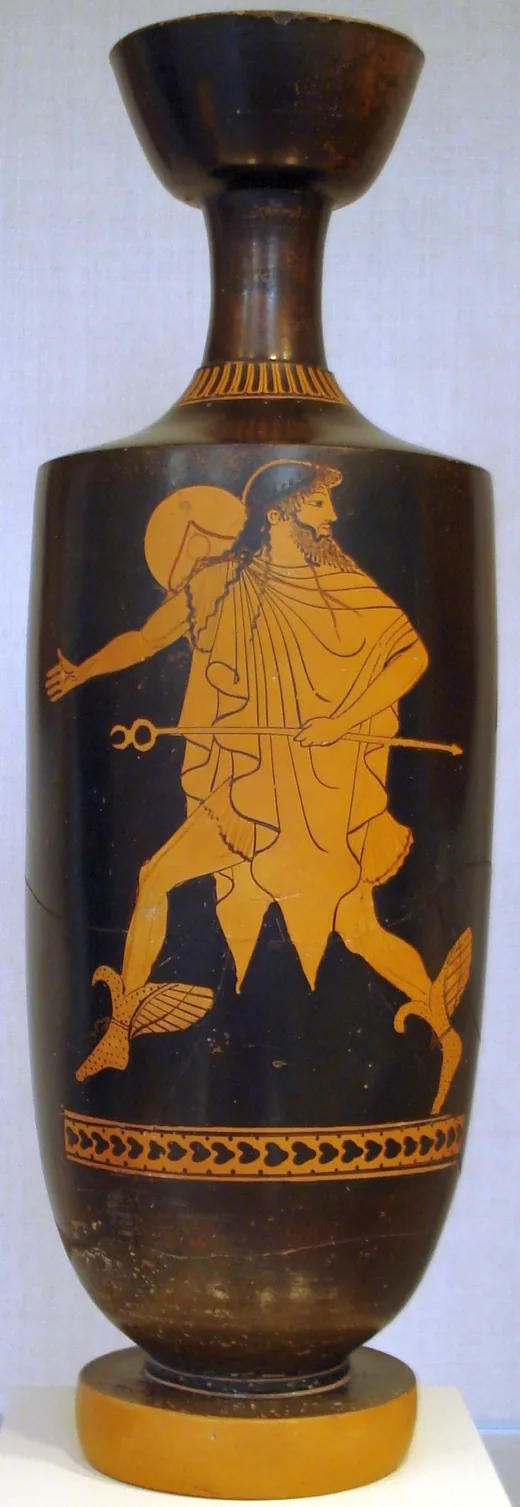
The planet’s name — and its astrological rulership over communication — traces to the Roman god Mercury (Hermes in Greek myth), the gods’ messenger, associated with speed, travel, trade, language, and moving information between people and places. The planet earned that name in part because it’s the fastest-moving of the visible planets across the sky, a fitting match for a swift messenger god. That naming choice, made in antiquity, is very likely why “communication and travel” became the planet’s core astrological domain in the first place — the association isn’t arbitrary, it’s built directly into who the planet was named after.
Every planet goes retrograde — Mercury just does it most often
Apparent retrograde motion isn’t a Mercury-specific phenomenon — it’s a normal feature of how relative orbital motion looks from a moving platform (Earth), so every planet exhibits it. What’s specific to Mercury is the frequency:
| Planet | Roughly how often it turns retrograde | Why |
|---|---|---|
| Mercury | 3-4 times a year | Fastest orbit (88 days) laps Earth most often |
| Venus | About every 18 months | Slower orbit (225 days) than Mercury, laps Earth less often |
| Mars | About every 2 years | Orbits the Sun slower than Earth, so Earth laps Mars instead |
| Jupiter, Saturn, and the outer planets | About once a year | Move so slowly around the Sun that Earth laps them almost every orbit it makes |
Mercury gets the outsized cultural attention not because its retrograde is astronomically special, but because it happens the most often and each period is short enough to feel like a recurring, nameable event — three or four distinct “seasons” a year, rather than one long yearly window most people stop noticing.
“Shadow periods”: the weeks on either side
Beyond the retrograde window itself, some astrologers also track “shadow periods” — roughly two weeks before the retrograde starts and two weeks after it ends. The pre-shadow is described as a preview: the same themes the retrograde will bring up (a delayed reply, a contract worth a second look) may start surfacing early, before Mercury’s motion actually reverses. The post-shadow is described as the cleanup period — Mercury has resumed its normal forward motion, but loose ends from the retrograde window are still traditionally read as settling into place. This roughly doubles the total window some astrologers pay attention to around each of the three dates above — worth knowing if a retrograde tradition you’ve read elsewhere seems to start earlier or run later than the exact reversal dates in the table.
Frequently asked questions
Does Mercury retrograde actually cause technology to break?
There’s no documented physical mechanism by which Mercury’s position affects electronics on Earth. The association is symbolic and traditional, tied to Mercury’s long-standing rulership over communication in astrology — not a claim that’s been physically tested or confirmed.
Is it bad luck to start something new during Mercury retrograde?
Traditional astrology often reads the retrograde window as better suited to revising or finishing than starting fresh, but this is a cultural guideline for reflection, not a rule with a documented outcome. Plenty of people start things during retrograde with no issue.
How is Mercury retrograde different from other planets’ retrogrades?
Every planet has retrograde periods from Earth’s point of view — it’s a normal feature of how relative orbital motion looks from a moving platform, not unique to Mercury. Mercury’s get the most cultural attention because they’re the most frequent (three or four times a year, versus roughly once a year or less for the outer planets) and because of Mercury’s traditional association with everyday communication.
Can I actually see Mercury moving backward in the sky?
Not in real time — the shift is only visible by tracking Mercury’s position against the background stars over days and weeks, the same way you’d only notice a car “reversing” relative to you by comparing its position over time, not from a single glance.
Does today’s Moon sign relate to Mercury retrograde?
No — they’re unrelated. See our Moon Phases guide or check today’s real Moon sign on our Daily Horoscope page for that separate, faster-moving cycle.
Sources
- The Old Farmer’s Almanac. Mercury Retrograde Dates. Source for the 2026 date ranges cited above.
- Ptolemy, Claudius. Tetrabiblos, Book III, Chapter XVII. 2nd century CE, trans. J.M. Ashmand, 1822. Source of the direct quote on Mercury’s traditional rulership above.
- Numyra Methodology Desk. Astrology calculation standard.