Astrology has read the Moon’s phases as an emotional cycle for thousands of years. Modern sleep and psychiatric research has actually gone looking for a real effect — and found something narrower, and stranger, than either the believers or the skeptics usually say.
Key takeaways
- In astrology, the Moon’s phase is traditionally read as an emotional cycle: new moon for beginnings, full moon for culmination and heightened feeling, waning moon for release. This is a cultural framework, not a claim we’re presenting as fact.
- Real research has found essentially no link between moon phase and general mood, anxiety, or crisis-line calls — but a genuine, specific exception exists for sleep, and a separate one for people with bipolar disorder.
- The psychological reason the belief persists is well documented: illusory correlation and confirmation bias make a single restless full-moon night memorable, while dozens of unremarkable ones go unnoticed.
- Nothing here is medical or psychological advice — a cultural tradition and a real research summary, presented side by side for reflection.
In this guide
- What astrology says about each phase
- What the actual research found
- Astrology’s phases vs. the actual research
- Does the Moon’s gravity actually reach you?
- Why the belief persists anyway
- Where “supermoon” actually comes from
- Frequently asked questions
What astrology says about each phase
Independent of any scientific question, the Moon’s phase has a long-standing symbolic reading in astrology, tied to its roughly 29.5-day cycle:
- New Moon — traditionally read as a starting point: low visible light, a symbolic blank slate for setting an intention.
- Waxing Moon — read as a building phase, matching the Moon’s growing light.
- Full Moon — read as culmination and heightened emotion, the phase most associated in folklore with restlessness, vivid dreams, and short tempers.
- Waning Moon — read as release and closure, winding down before the cycle restarts.
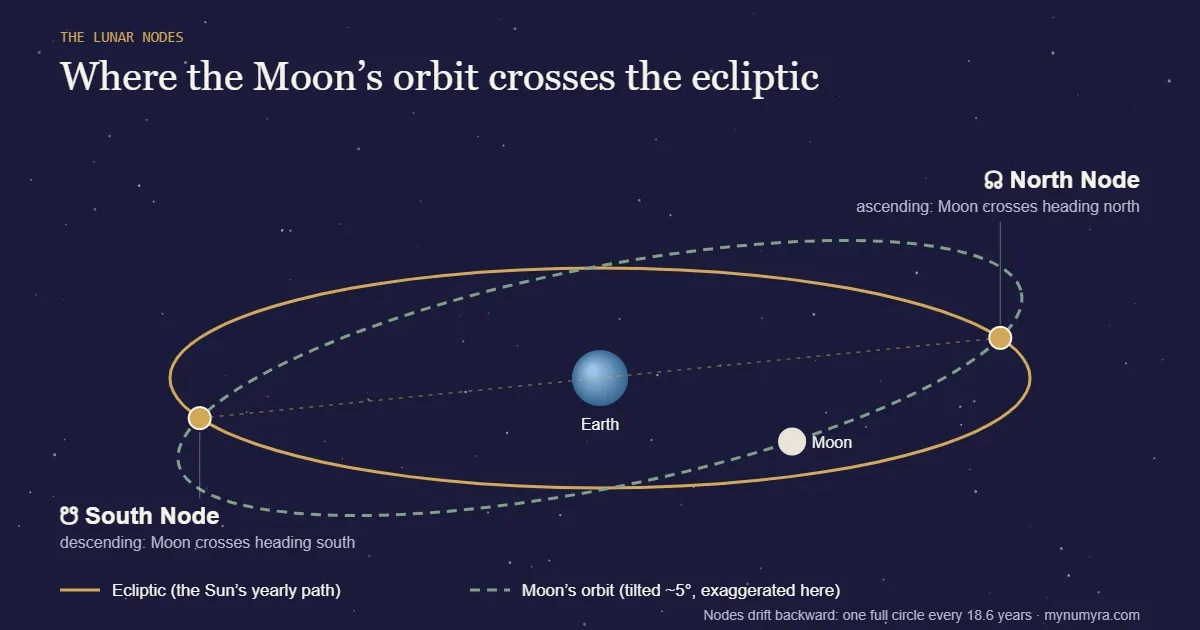
A New or Full Moon becomes an eclipse only when it falls close to one of the Moon’s nodes, the two points where its tilted orbit crosses the Sun’s path. Our guide to the North Node and what it means explains how that works and why astrologers have long tied the nodes to eclipses.
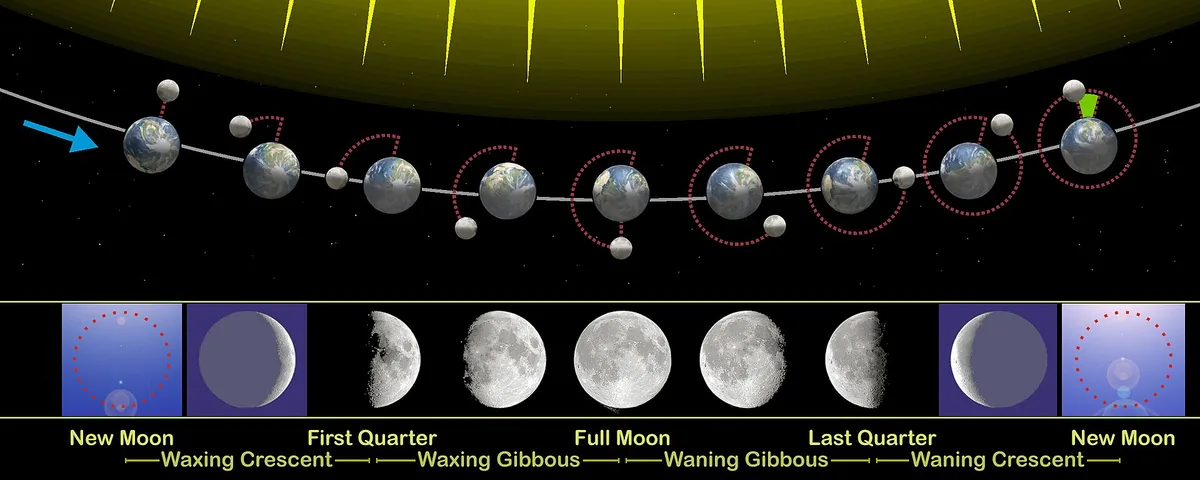
This reading long predates any scientific test of it, and the two are genuinely separate questions: what a tradition says a phase symbolizes, and whether it measurably changes how people feel or sleep. Most astrology-branded content answers the first question only; most science coverage answers the second only. Here’s both, honestly.
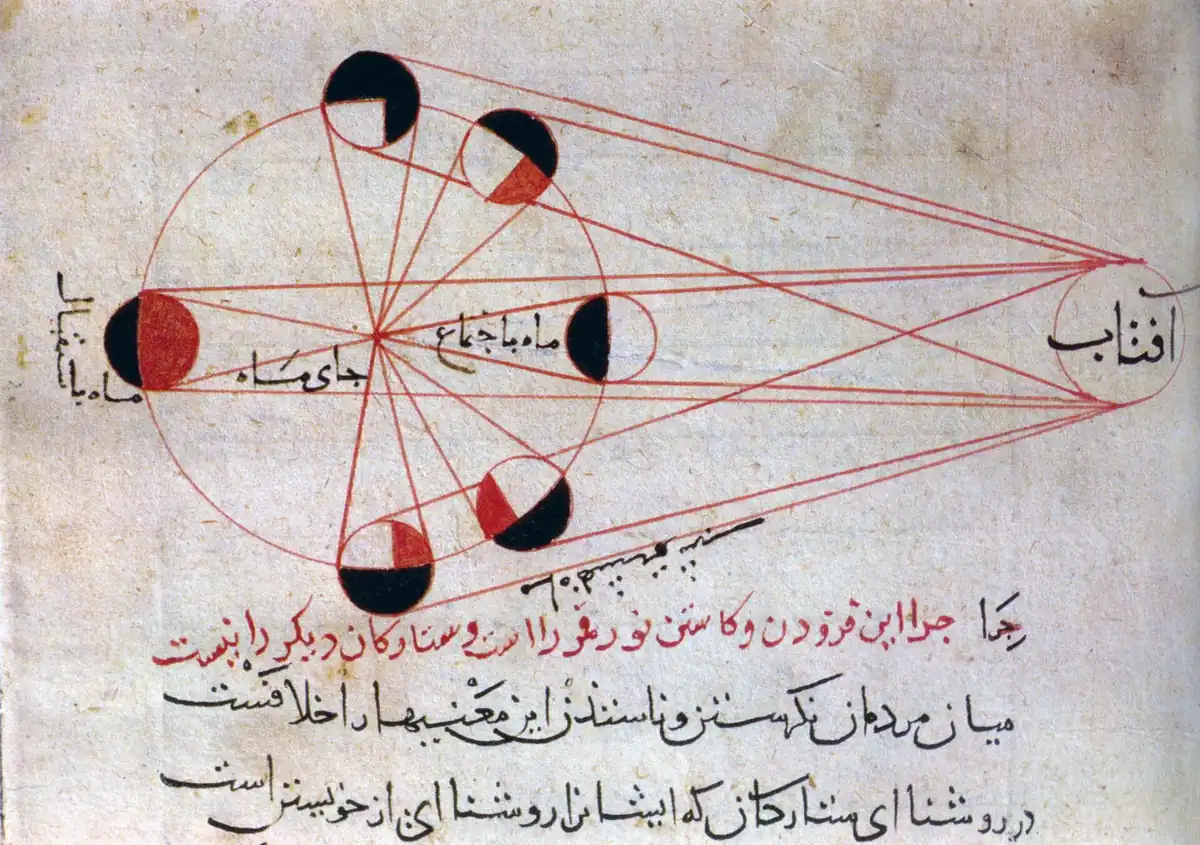
What the actual research found
The most direct, rigorously sourced answer comes from Cleveland Clinic psychologist Susan Albers, PsyD, who reviewed the real research on this question directly. Her verdict is more specific than a flat “myth” or “confirmed”:
“In the same way, we can even hinge our own personal experiences on something as simple as the moon.”
— Susan Albers, PsyD, Cleveland Clinic
The research she cites, taken together, paints a specific picture rather than a simple yes or no:
Sleep: a real, measured effect
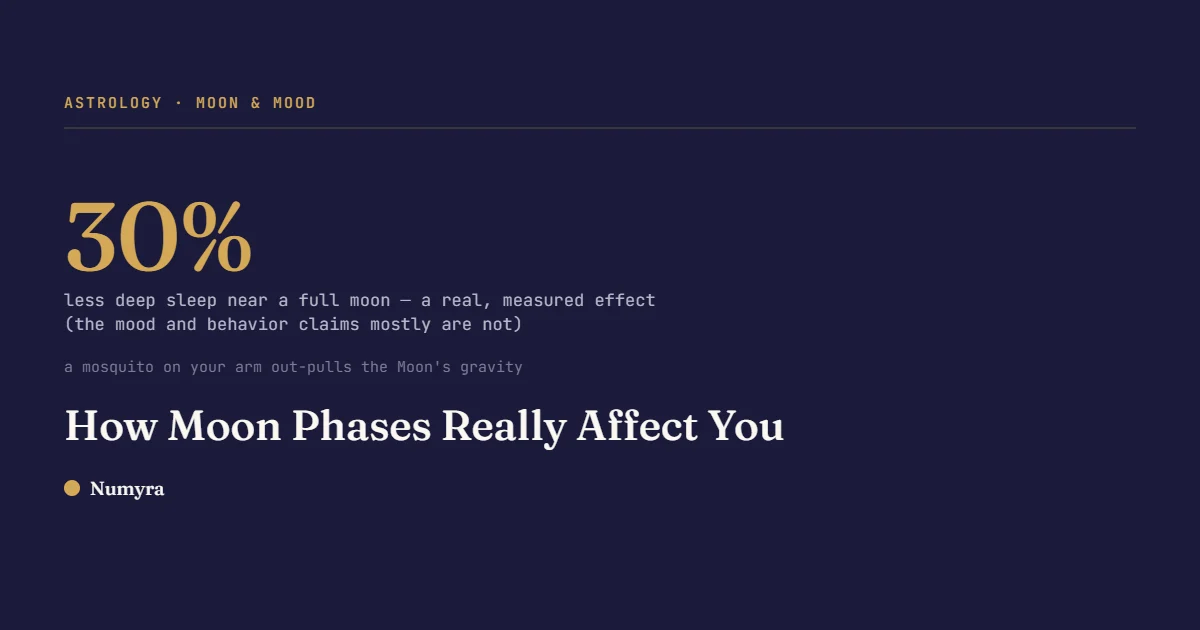
A 2013 study found people slept about 30% less deeply and roughly 20 minutes less overall in the days around a full moon — even in a lab, with no view of the sky. A separate 2021 study comparing sleep in a rural Argentine community with no electric light to Seattle college students with full access to it found the lunar effect on sleep timing was present in both groups, just weaker where artificial light was abundant — suggesting the Moon’s brightness itself, not anything mystical, is doing the work.
Bipolar disorder: a narrow, real finding
A small study of 17 patients with bipolar disorder found their mood cycling between depression and mania synced with the lunar cycle rather than occurring randomly. This is a specific, narrow finding in a specific population — not evidence that the Moon affects the mood of a general, non-clinical population.
Births and general mood: no consistent link
Here the record is genuinely mixed and mostly negative. A study of 1,507 births in Japan (1996–2007) found a lunar correlation; a much larger study of 23,689 births between 1810 and 1929 found none. For everyday mood, anxiety, or crisis-line call volume in the general population, the research Albers reviews shows no consistent effect at all.
Astrology’s phases vs. the actual research
| Claim | Astrology’s traditional reading | What research found |
|---|---|---|
| Sleep | Full moon disturbs rest | Real effect: ~30% less deep sleep, ~20 min less total sleep near full moon |
| Mood (general population) | Full moon heightens emotion for everyone | No consistent effect found |
| Bipolar mood cycling | Not a traditional astrology-specific claim | Real, narrow finding in a small study (n=17) |
| Births | Full moon increases births | Mixed — one study found a link, a larger one found none |
| Crisis-line calls / erratic behavior | Full moon increases incidents (“lunacy”) | No consistent effect found |
Does the Moon’s gravity actually reach you?
A common assumption behind the full-moon-mood idea is gravity: the Moon pulls the ocean into tides, so surely it pulls on the water in a human body too. The astronomer George Abell ran the actual numbers on this, and the answer is a clean no — not because the physics is complicated, but because the scale is. A mosquito landing on your arm exerts more gravitational pull on you than the Moon does, simply by being enormously closer. Ocean tides work at all because oceans are vast and connected across the whole planet; a single human body is far too small and self-contained for the Moon’s gravity to do anything measurable to it.
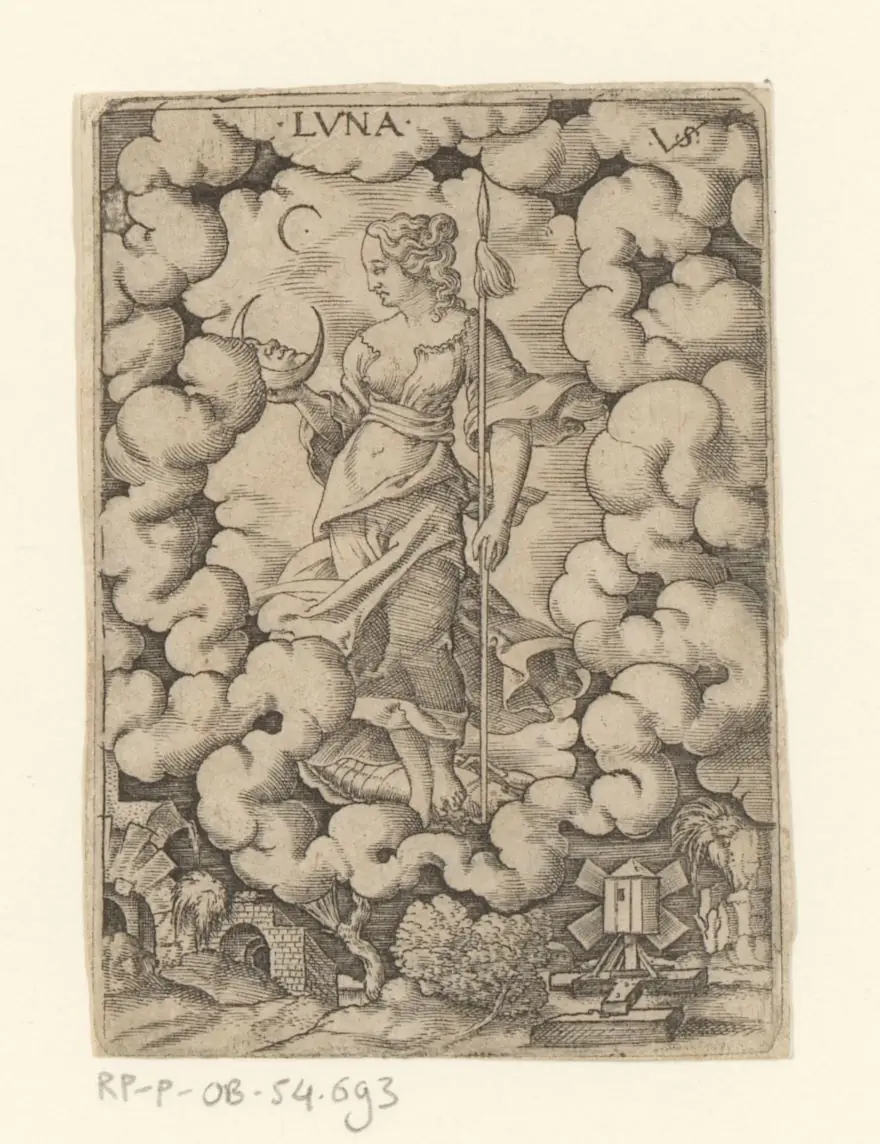
The belief itself is much older than the physics needed to test it. The word “lunacy” comes directly from Luna, the Roman moon goddess — and the idea has real ancient roots: both Aristotle and Pliny the Elder theorized that the brain’s high moisture content made it especially susceptible to the Moon’s pull, the same way tides were. It was a genuinely reasonable hypothesis for its time, built from the best available analogy (tides), centuries before anyone could measure how vanishingly small that force actually is on a single body.
Why the belief persists anyway
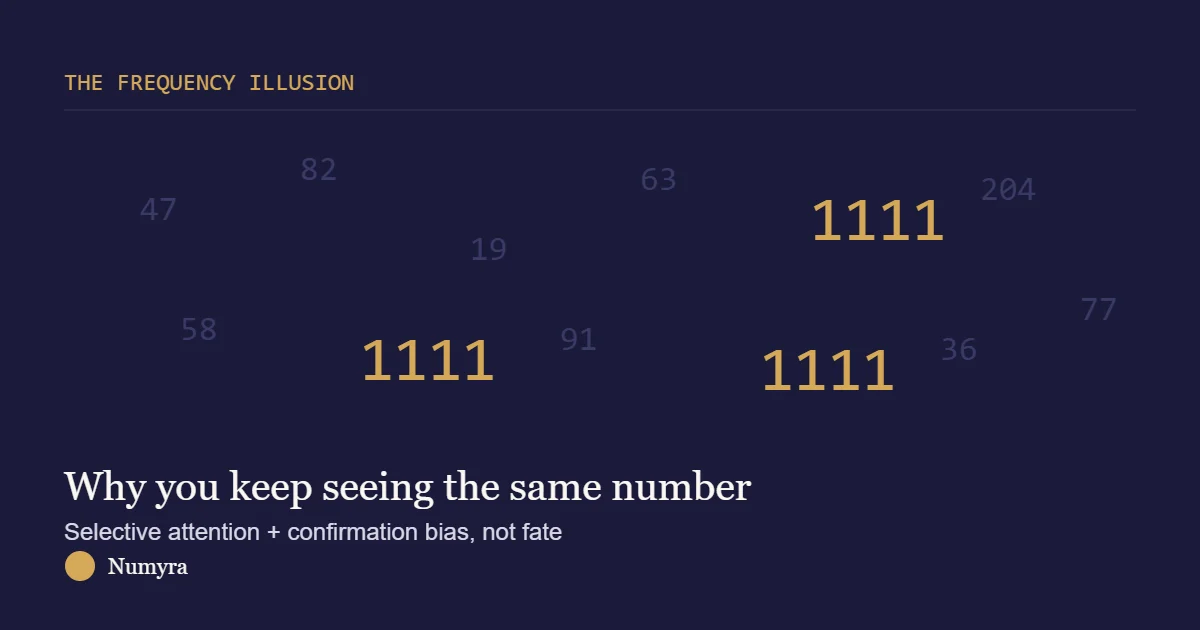
Albers points to two ordinary psychological mechanisms, not anything about the Moon itself: illusory correlation (once you’re primed to link the Moon to your mood, a single bad, restless night under a full moon stands out and gets remembered, while the far more numerous unremarkable nights don’t) and a related self-fulfilling effect (expecting a “full moon effect” can itself shape how you interpret an ordinary day). This is the same underlying mechanism — noticing what you’re primed to notice — behind why people keep seeing the same repeating number, just applied to lunar folklore instead of digit sequences.
Where “supermoon” actually comes from
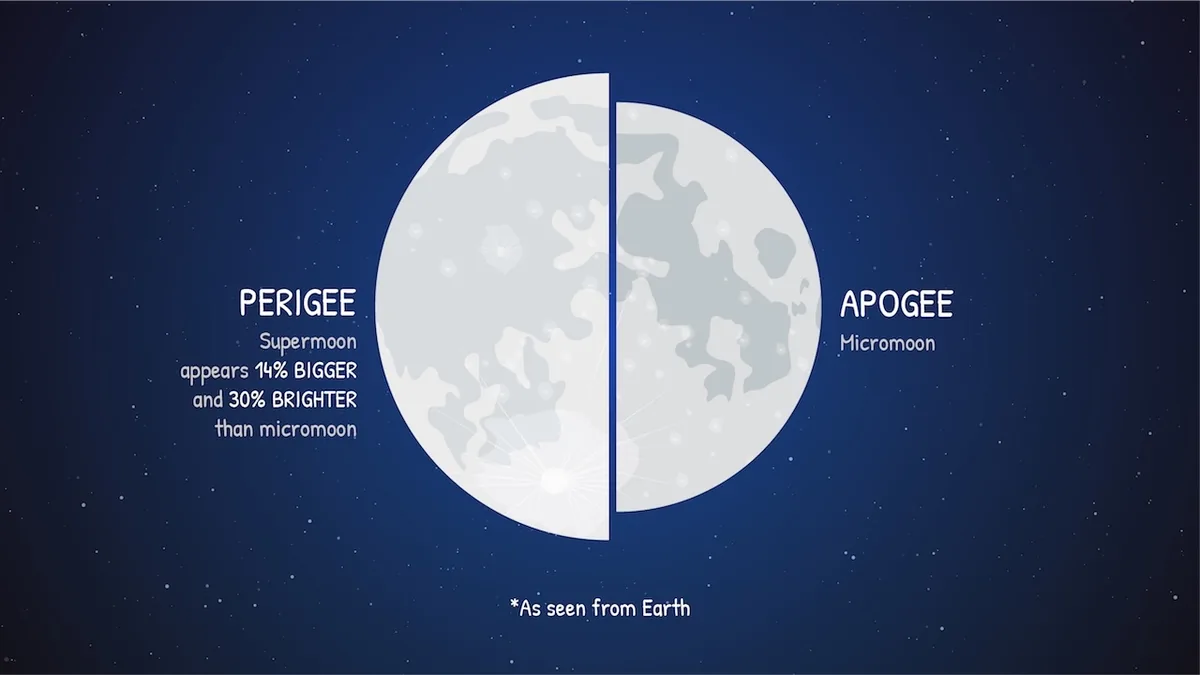
One piece of Moon-and-astrology history worth knowing: the term “supermoon” wasn’t coined by astronomers. Astrologer Richard Nolle introduced it in Dell Horoscope magazine in 1979, defining it as a new or full moon occurring especially close to Earth in its orbit. The term stayed mostly within astrology circles for decades before astronomy writers adopted it more widely — a rare case of an astrological term becoming the standard popular-science name for a real orbital phenomenon.
Frequently asked questions
Does the full moon really affect sleep?
This is the one claim with real supporting research: studies have found measurably less deep sleep and slightly less total sleep time around the full moon, even without any view of the sky, suggesting a genuine if modest effect.
Do hospitals and police really see more incidents during a full moon?
The research reviewed here found no consistent link between full moons and crisis-line calls or erratic behavior in the general population — a persistent piece of folklore (“lunacy”) that the evidence doesn’t support.
Is the Moon’s effect on mood the same for everyone?
No — the one population with a real, documented lunar mood link is a small studied group of people with bipolar disorder, whose mood cycling synced with the lunar cycle. This doesn’t extend to the general population.
Why do so many people feel sure the full moon affects them personally?
Psychologists point to illusory correlation: a memorable restless night during a full moon sticks in memory far more than the many ordinary nights that pass without one, making the pattern feel stronger and more consistent than it actually is.
Does the Moon’s gravity really pull on the water in our bodies?
No — astronomer George Abell calculated that a mosquito landing on your arm exerts more gravitational pull on you than the Moon does. Ocean tides work because oceans are enormous and connected; a single human body is far too small for the same effect to register at all.
Sources
- Albers, Susan. “Does The Moon Affect Humans?” Cleveland Clinic, October 24, 2022.
- “Richard Nolle.” Wikipedia. Background on the 1979 “supermoon” coinage in Dell Horoscope.
- “Lunacy and the Full Moon.” Scientific American. George Abell’s gravitational comparison and the “lunacy”/Luna etymology.
- Numyra Methodology Desk. Astrology framework and sourcing standard.